Working with a Composer
How to Write a Music Brief That Gets You Better Music
A good brief doesn't describe music — it describes the emotion the music needs to carry.
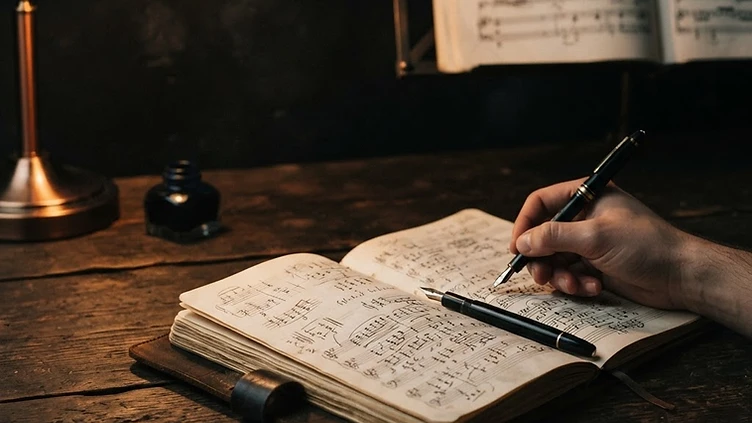
A music brief isn't a list of genres. It's a description of the emotional job the music has to do. The clearer that job, the better the first pass — and the fewer revisions.
Start with feeling, not reference. Before you name a single track, write down what the audience should feel in each key scene. "Unease that builds to dread" is more useful to a composer than "something like the Joker theme," because it tells them the destination, not just one path to it.
Then add references with reasons. When you do reference a track, say what you like: the pacing, a particular texture, the restraint. "I like the pulse, not the synth" saves a composer from copying the wrong thing.
Name your characters' musical identities in a word or two — warm, brittle, restless. These seeds grow into motifs.
List the scenes where music matters most and whether it should lead or support. A score that leads everywhere exhausts the audience; a score that knows when to hide is invisible in the best way.
Finally, state your constraints plainly: timeline, budget, delivery format. Composers right-size to reality when they know it.
That's the whole brief. We turned it into a free template — the Director's Film Music Brief — if you want a structure to start from.