Working with a Composer
Leitmotifs Explained (Without the Music Theory Degree)
A leitmotif is just a musical label for a character or idea. Here's why they work and how to use them without overthinking.
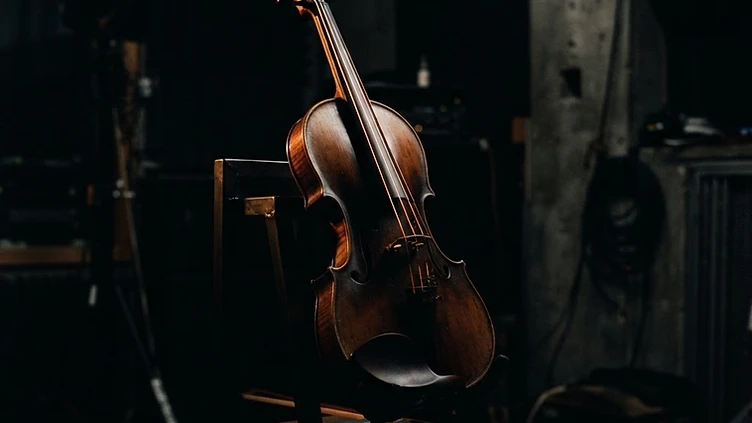
A leitmotif sounds like an intimidating term for a simple idea: a short piece of music you attach to a character, place, or theme, then bring back whenever that thing appears or is felt. That's it. The musical equivalent of a name tag.
They work because the audience learns them fast. Hear a melody twice with a character and it becomes that character. By the third time, you can play a fragment of it and the audience feels the character's presence even when they're offscreen. That's powerful, cheap storytelling.
The trick is variation. A leitmotif that plays the same way every time becomes a jingle. A good composer transforms it — tender when the character is safe, distorted when they're in danger, fragmented when they're losing themselves. Same label, different meaning.
And don't overdo it. Not every character needs a motif. Two or three strong ones, used at the moments that matter, beats a dozen forgettable ones.
If you're briefing a composer, you don't need to design motifs yourself. Just tell us which characters and relationships carry the emotional weight. We'll find their sound.