Process & Timeline
The Spotting Session: Where the Score Is Really Written
Before a note is composed, the spotting session decides everything that matters. Here's how to run one.
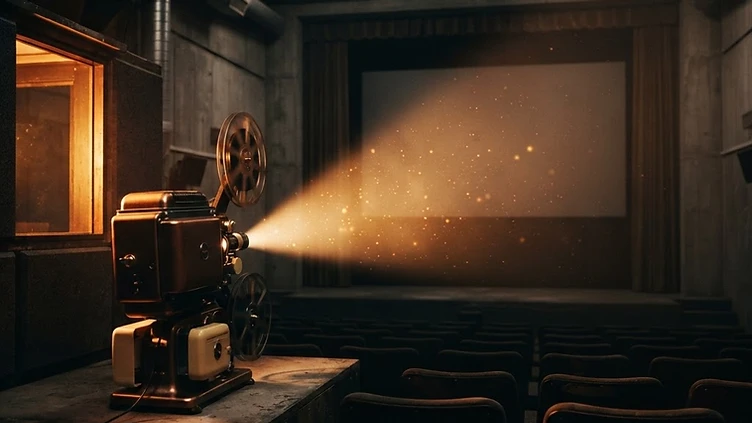
A lot of people think the score is written at the keyboard. In truth, the most important writing happens earlier, in the spotting session — the meeting where you and the composer decide where music enters, where it exits, and what each cue must do.
Watch the cut together and ask, scene by scene: does this moment need music at all? What's the emotional job — to heighten, to undercut, to reveal what the characters won't say? Should music lead the audience or hide beneath the dialogue?
Great spotting is mostly about restraint. A film where music plays everywhere exhausts the audience and flattens the emotion. The most powerful scores know when to disappear. Deciding where music doesn't go is as important as deciding where it does.
You'll leave with a spotting list — every cue numbered with its in/out points and intent. That list becomes the composer's roadmap. The clearer it is, the more the first pass will already feel right.
Come to spotting with your emotional goals, not your references. References can come later, cue by cue. Spotting is where the architecture of the score is built, and it's the single most undervalued hour in the whole process.